
Introduction
In recent years, the demand for affordable and flexible student housing has surged due to increasing enrollment rates and the rising costs of traditional accommodation. Lida Group has emerged as a pioneer in innovative housing solutions, particularly with its container dormitories designed specifically for students. This article explores the concept of container dormitories, their design and construction, benefits, challenges, and the transformative impact they have on student living environments.
Understanding Container Dormitories
What Are Container Dormitories?
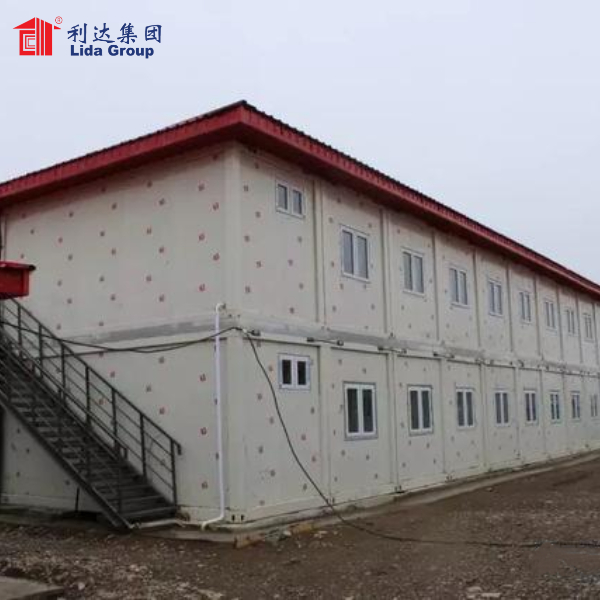
Container dormitories are modular living spaces constructed from repurposed shipping containers. These structures offer unique advantages in terms of cost, efficiency, and flexibility, making them an ideal solution for student housing in various environments, from urban campuses to remote educational institutions.
The Design Philosophy
Lida Group’s design philosophy emphasizes functionality, sustainability, and comfort. The container dormitories are designed to maximize the use of space while providing a home-like environment conducive to studying and socializing.
a. Space Optimization
Each container is carefully designed to utilize every square foot effectively. Features such as built-in storage, modular furniture, and multi-functional areas allow students to make the most of their limited space.
b. Aesthetic Appeal
While containers are inherently industrial in appearance, Lida Group incorporates modern design elements, colors, and textures to create inviting living spaces. This aesthetic consideration helps to foster a sense of community among students.
The Construction Process
1. Prefabrication
One of the standout features of Lida Group’s container dormitories is the prefabrication process. This involves manufacturing the dormitory units off-site in a controlled environment, ensuring quality and efficiency.
a. Quality Control
Prefabrication allows for rigorous quality control measures. Each container is inspected thoroughly before being transported to the installation site, minimizing defects and ensuring safety.
b. Speed of Construction
The off-site manufacturing process significantly reduces construction time. Once delivered to the site, the dormitories can be assembled quickly, allowing institutions to accommodate students sooner.
2. Modular Assembly
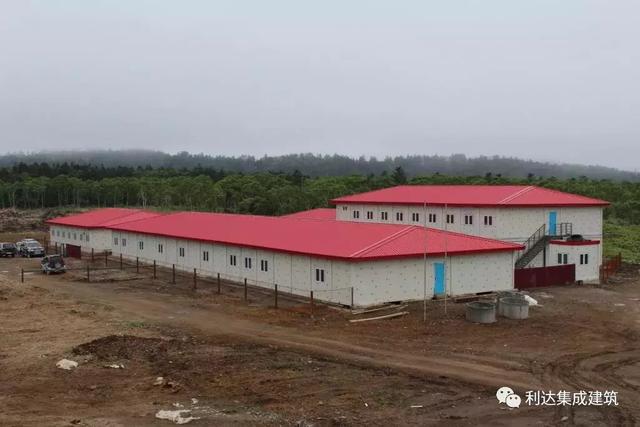
The modular design allows for flexibility in assembly. Dormitory units can be stacked or arranged in various configurations to suit the specific needs of the campus or site layout.
a. Customization
Each dormitory can be customized based on the institution’s requirements. This includes the number of units, layout configurations, and additional facilities such as common areas or study lounges.
b. Scalability
As enrollment numbers grow, institutions can easily expand their housing capabilities by adding more container dormitories, making this solution scalable and adaptable.
Benefits of Container Dormitories for Students
1. Affordability
One of the primary advantages of Lida Group’s container dormitories is their affordability.
a. Lower Construction Costs
Using shipping containers reduces material costs compared to traditional building methods. This cost-effectiveness can be passed on to students through lower rental fees.
b. Reduced Maintenance Costs
Container structures are durable and require less maintenance than conventional buildings, further reducing the long-term costs for institutions.
2. Flexibility and Mobility
Container dormitories offer unparalleled flexibility in terms of location and layout.
a. Relocation Capabilities
If an institution needs to move or expand its housing facilities, container dormitories can be easily transported and reassembled at a new site.
b. Adaptive Use
These dormitories can serve multiple purposes. For instance, they can be reconfigured into classrooms or meeting spaces during off-peak seasons, maximizing their utility.
3. Sustainability
Lida Group prioritizes sustainability in its container dormitory designs.
a. Reuse of Materials
By repurposing shipping containers, Lida Group contributes to reducing waste and promoting a circular economy. This approach minimizes the environmental impact associated with traditional construction.
b. Energy Efficiency
Many container dormitories are equipped with energy-efficient systems, such as solar panels, insulation, and energy-saving appliances, further enhancing their sustainability credentials.
Challenges in Container Dormitory Implementation
1. Zoning and Regulations
While container dormitories offer numerous benefits, they also face challenges related to zoning and building regulations.
a. Compliance Issues
Different regions have varying regulations regarding the use of shipping containers for residential purposes. Institutions must navigate these regulations to ensure compliance and secure necessary permits.
b. Community Resistance
In some cases, local communities may resist the introduction of container dormitories due to aesthetic concerns or misconceptions about their quality. Engaging with the community and highlighting the benefits can help mitigate resistance.
2. Design Limitations
While container dormitories are versatile, they do come with certain design limitations.
a. Space Constraints
Shipping containers are compact, which can pose challenges for accommodating larger groups of students or providing extensive communal spaces. Careful design is essential to maximize functionality.
b. Insulation and Climate Control
Proper insulation is crucial to ensure comfort in varying climates. Lida Group incorporates advanced insulation materials to address this challenge, but it remains a critical consideration in the design process.
The Future of Container Dormitories in Student Housing
1. Technological Advancements
As technology continues to advance, Lida Group plans to integrate smart home technologies into its container dormitories.
a. Smart Living Features
Incorporating IoT devices, such as smart thermostats and energy management systems, can enhance student comfort and energy efficiency.
b. Enhanced Connectivity
Ensuring high-speed internet access and connectivity will be a priority, enabling students to engage in online learning and remote collaboration.
2. Expanding Market Reach
Lida Group is exploring opportunities to implement container dormitories in various educational settings, including vocational schools, technical institutes, and international campuses.
a. Global Outreach
By adapting its container dormitory model to different cultural and geographic contexts, Lida Group aims to address global challenges related to student housing.
b. Partnerships with Educational Institutions
Collaborating with universities and colleges will enable Lida Group to customize solutions that meet the specific needs of diverse student populations.
Conclusion
Lida Group’s container dormitories represent a transformative approach to student housing, combining affordability, flexibility, and sustainability. As educational institutions face increasing pressure to provide adequate accommodation for students, these innovative living solutions offer a viable alternative to traditional housing models.
By addressing the challenges of modern student living with creativity and foresight, Lida Group is not only enhancing the quality of student life but also reshaping the future of educational infrastructure. As more institutions adopt this model, the potential for container dormitories to revolutionize student housing continues to grow, paving the way for a new era of innovative living solutions.
Contact Us
Post time: Sep-19-2024